Adalo’s Next Chapter
But then things got real. From a million feature requests that had to be designed and organized into one roadmap, to trying to answer the endless amount of support questions across various channels, to coming up with marketing content and analyzing growth, conversion, and churn numbers, to talking with investors, and then actually trying to set up a company with processes to handle all of that—all while trying to build a team with members that are happy, motivated, and love working together. That golden idea to tell our story got lost.
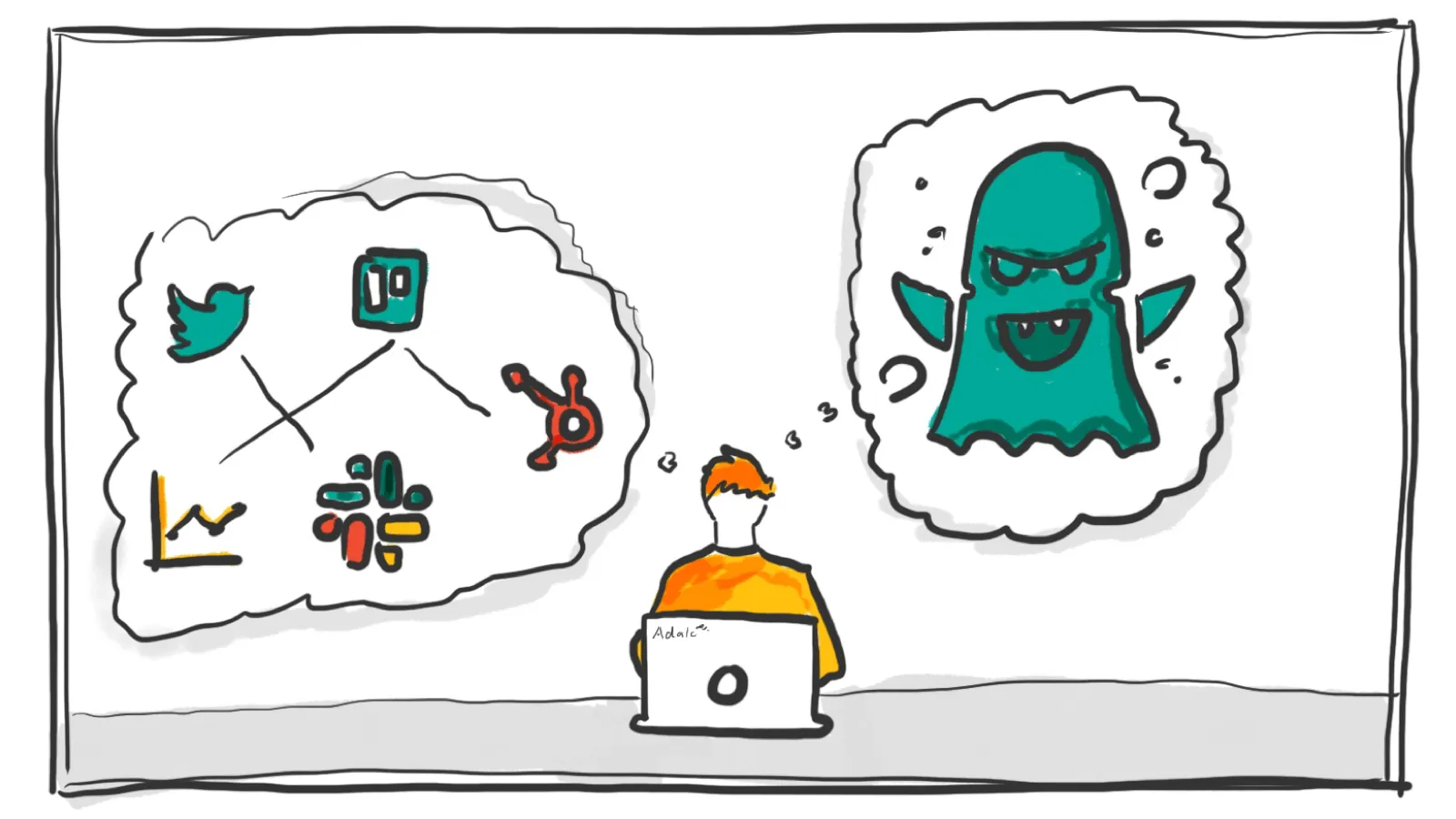
I honestly feel like I've completely failed here. I've failed at keeping you all up to date with everything Adalo and the lessons we've learned along the way. For example, do you even know how many people work on our team? Or what our company values are and what we stand for? Or even what amazing apps have been built on Adalo?
And at the same time, I also feel like I haven't done a great job at getting to know you all. I've certainly had a chance to chat with some of you in the app building space, but it always feels like I'm rushed and that I'm not putting enough effort into it. About three months ago I started to realize this was happening and even tried putting a recurring event on my calendar every day to improve this—but then every day it would roll around and other crazier things at Adalo would be more pressing. So to some extent it feels like I've been so focused on Adalo that I forgot about you.
It wouldn't be accurate to solely place this failure on a lack of time. I think it's important to admit that I was afraid. It's easy to say before you start working on a project that you'll be open and tell your story the entire time, but then when it starts to happen, feelings start creeping in like "well what if we fail and the whole world watches us writing about our biggest failure?"
Why Transparency Matters Now
So why is this all coming up now? Because Jeremy, one of our co-founders, is leaving the company.
*Gasp*
Wait what?! I'm sure you all have a ton of questions right now and I'll get to those, but it's important for this story to understand that after we found this out, we went through our own internal dilemma about what to do. Should we just sweep this under the rug (like most businesses would do) or should we share what happened with everyone in the community? If you've gotten this far in the blog post, I'm assuming you know what the answer is—we've decided it's finally time to be open and tell our story.
What Actually Happened
So here's what happened.
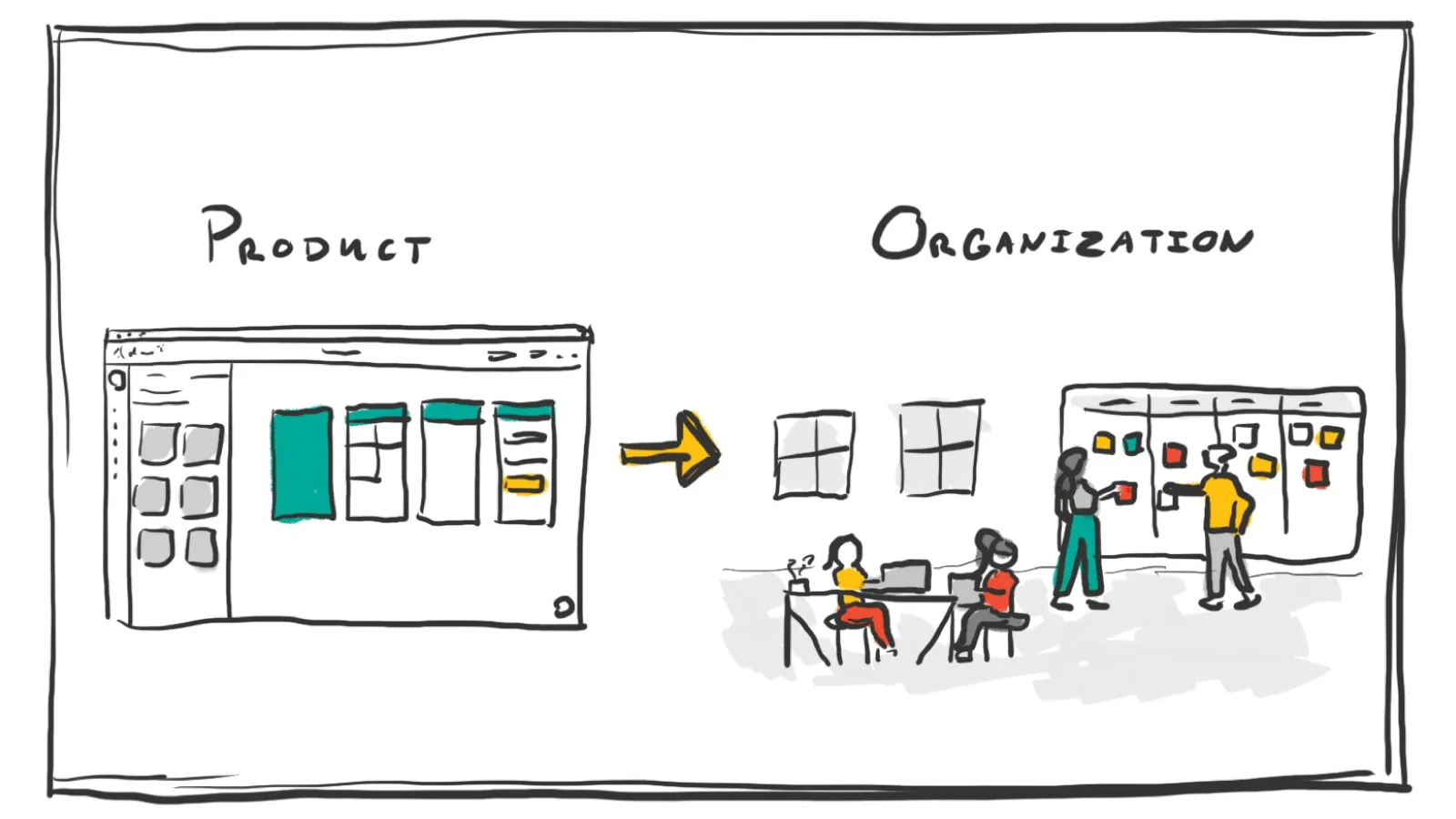
Back in 2019, when it was just Jeremy, Ben, and I building Adalo (actually called Foundry at the time), things were amazing. We all had the same product visions and our roles were perfectly aligned—a designer, a developer, and a product person all working on one of the toughest digital problems together. And in November of 2019 we launched to the world, and the app building movement exploded along with Adalo. But as we secured a round of funding and started to expand our team, a funny thing happened. (I guess I say funny because it seems so obvious now but at the time I didn't see it coming.) We transitioned from just a product to an organization.
When you transition from a product to an organization, a whole new set of challenges arise. There's support and marketing tasks that become pressing, and then there's the fact that you've got enough people on the team that you can't possibly all be in every meeting, making every decision. And this is where the differences between Jeremy and Ben & I arose.
Jeremy had a different vision from Ben & I for how an organization should be run and led; more specifically the company culture and how the decision making process should work. We tried for a few months to reconcile those differences but at the end of the day it became too difficult. We were rowing in two different directions instead of all together on the same path forward. After coming to this realization, we decided to part ways and the board appointed me as CEO.
Since the beginning, Jeremy has made incredible contributions to Adalo, both to the product specifically, and to growing the company more generally. Ben and I could not be more grateful for that, and Jeremy will still have a big stake in Adalo and will be rooting for us all the way.
The Emotional Rollercoaster
So what's next?
In the spirit of being open about everything and telling our story, I've never been on more of an emotional rollercoaster in my entire life than the last few weeks. While all of this was happening, two huge milestones occurred.
First, a personal one. I got married! While not directly related to Adalo, I think it's important to note that as a founder your personal life and startup life are linked together. You'll sacrifice a lot in pursuit of your dreams. Dealing with a co-founder leaving while attempting to take time off to get married was very challenging. My takeaway is to find a partner along with a great set of friends and family that are by your side to support you through the ups and downs of startup life.
The second huge milestone is that we officially had our 100,000th person build an app on Adalo. I'll repeat that again because I didn't quite think that was possible when we launched last year. 100,000 people from almost every country in the world (we're only missing 3!) have used Adalo. We had a little remote pizza party to celebrate this. We shared some stories from some of the first people to build on Adalo, and walked through some of the incredible apps that have been launching recently.
Whether it was a business being run entirely on their Adalo app due to COVID, or an entrepreneur quitting their day job to go full-time on their startup they're building on top of Adalo, hearing these stories was both overwhelming and humbling. I had never felt more excited about the future of Adalo than in that moment.
Building for the Future
Speaking about our future, we have an amazing team that blows me away every day, and we've got a whole lot of new features coming soon. Custom Fonts, Third-Party Authentication, and Horizontal Lists are all coming in the not-too-distant future, and we've got some big improvements to our web apps coming down the pipeline as well. More importantly, we've got a new mindset and a new commitment for Adalo's next chapter.
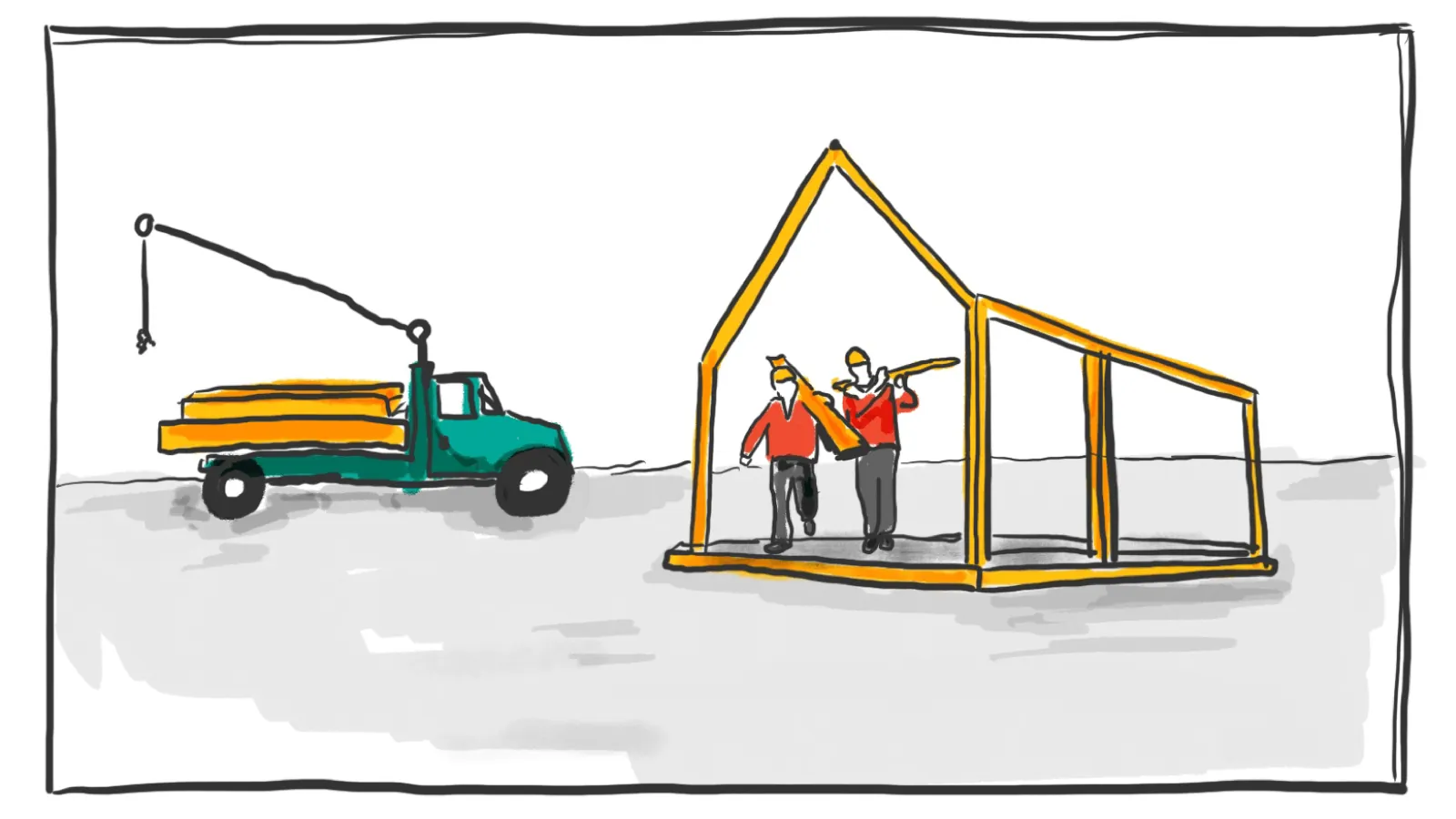
While we've exploded in growth from 0 to 100,000 people, we realize that in order to make the next leap forward we're actually going to need to take a moment and focus on building a strong foundation for the future—because even the most incredible buildings will crumble without the proper infrastructure. So what exactly does this mean?
It means we're committed to building a strong foundation for Adalo in three areas.
Product Foundation
The first is with our product. While we've created a simple and powerful way to build apps, we've got to make sure everything you all have built on Adalo can scale for the future. This means spending time focusing on the performance of your apps, setting up processes so that we're able to resolve any bugs and issues that come up in a timely manner, and finally making sure that our current features deliver exactly what you need to make rock-solid apps. Our goal is for you all to have the utmost confidence in Adalo moving forward.
Fast forward to today, and that commitment has materialized in ways we couldn't have imagined back then. Adalo 3.0 launched with a completely overhauled backend infrastructure, making apps 3-4x faster than before. The platform now scales infrastructure with app needs, meaning there are no record limits on paid plans—a direct response to the scalability concerns we heard from our community. Over 3 million apps have been created on Adalo, with our visual builder described as "easy as PowerPoint."
Community Foundation
The second area of focus is with our community. While growing quickly is amazing, it's been really hard to connect with everyone in our community on an individual level in order to help you when you get stuck. Right now we're just a team of 14 people in total. This makes it tough when we're trying to help out over 100,000 people. So we need to make sure that we're focused on building a strong foundation for support channels, tutorials, and the Adalo community. We want to create a world where everyone's able to bring their ideas to life together.
Team Foundation
And the third area is actually within our own team. We want to build an organization that has a strong sense of purpose and values with processes centering around trust, feedback, transparency, inclusion, and empowering every member on the team to make decisions so that we can scale to grow our community and continue to build an amazing product for you all. Our team needs to have a strong foundation to scale for the future.

Our Commitment to You
Finally, it's time for a personal (and public) commitment from Ben and I to you all. (Because sometimes the only way to take a leap is by making it public.) We're going to start opening up about everything that's happening at Adalo. The things we're struggling with, the lessons we're learning, the huge milestones, and even the little things. We'll be blogging more about these topics and we'll be more active on Twitter and in the community.
Ada, Adalo's AI builder, lets you describe what you want and generates your app. Magic Start creates complete app foundations from a description, while Magic Add adds features through natural language.
We truly believe that Adalo is just getting started, and we are more committed than ever to sharing this journey with everyone. Looking back at this moment now, with over 3 million apps created and AI-powered features like Magic Start and Magic Add transforming how people build, that belief has only grown stronger.
We'd love to connect with anyone on Twitter—follow/DM us @david_adkin and @benhaefele
FAQ
Why choose Adalo over other app building solutions?
Adalo is an AI-powered app builder that creates true native iOS and Android apps. Unlike web wrappers, it compiles to native code and publishes directly to both the Apple App Store and Google Play Store from a single codebase—the hardest part of launching an app handled automatically.
What's the fastest way to build and publish an app to the App Store?
Adalo's drag-and-drop interface combined with AI-assisted building through Magic Start lets you generate complete app foundations from a simple description. The platform handles the entire App Store submission process, so you can go from idea to published app without managing certificates or technical requirements.
How has Adalo evolved since its early days?
From 100,000 users at the time of this story to over 3 million apps created today, Adalo has grown significantly. The Adalo 3.0 infrastructure overhaul made apps 3-4x faster, removed database record limits on paid plans, and eliminated usage-based charges entirely.
What happened to the co-founder who left?
Jeremy parted ways with the company due to different visions for organizational leadership and company culture. He retained his stake in Adalo and continued to support the company's success. The remaining founders, David and Ben, continued building with a renewed commitment to transparency.
Can Adalo apps scale for serious business use?
Yes. Adalo's modular infrastructure now scales to serve apps with over 1 million monthly active users, with no upper ceiling. Paid plans include unlimited database records, and the purpose-built architecture maintains performance under load—unlike app wrappers that hit constraints at scale.
How much does it cost to build an app on Adalo?
Adalo's web and true-native mobile builder starts at $36/month with unlimited usage and app store publishing. There are no usage-based charges or limits on app updates once published, making costs predictable compared to platforms with workload units or record caps.
What AI features does Adalo offer?
Magic Start generates complete app foundations from descriptions—tell it you need a booking app for a dog grooming business, and it creates your database structure, screens, and user flows automatically. Magic Add lets you add features by describing what you want in natural language.
Is Adalo good for beginners with no coding experience?
Absolutely. The visual builder has been described as "easy as PowerPoint," and the AI-assisted features mean you can build functional apps by describing what you want rather than learning technical concepts. Over 3 million apps have been created by users of all skill levels.