5 Strategies to Increase Restaurant Delivery Sales - Without a Budget
Running a restaurant delivery service means juggling drivers, food quality, and customer expectations—all while competing against well-funded third-party apps. The restaurants that win at delivery aren't just making good food; they're building systems that ensure every order arrives hot, on time, and exactly as expected.
This guide covers six proven strategies to boost your restaurant's delivery sales, from optimizing your fleet to building your own ordering app. Whether you're launching delivery for the first time or looking to outperform DoorDash and Grubhub, these tactics will help you take control of your delivery business.
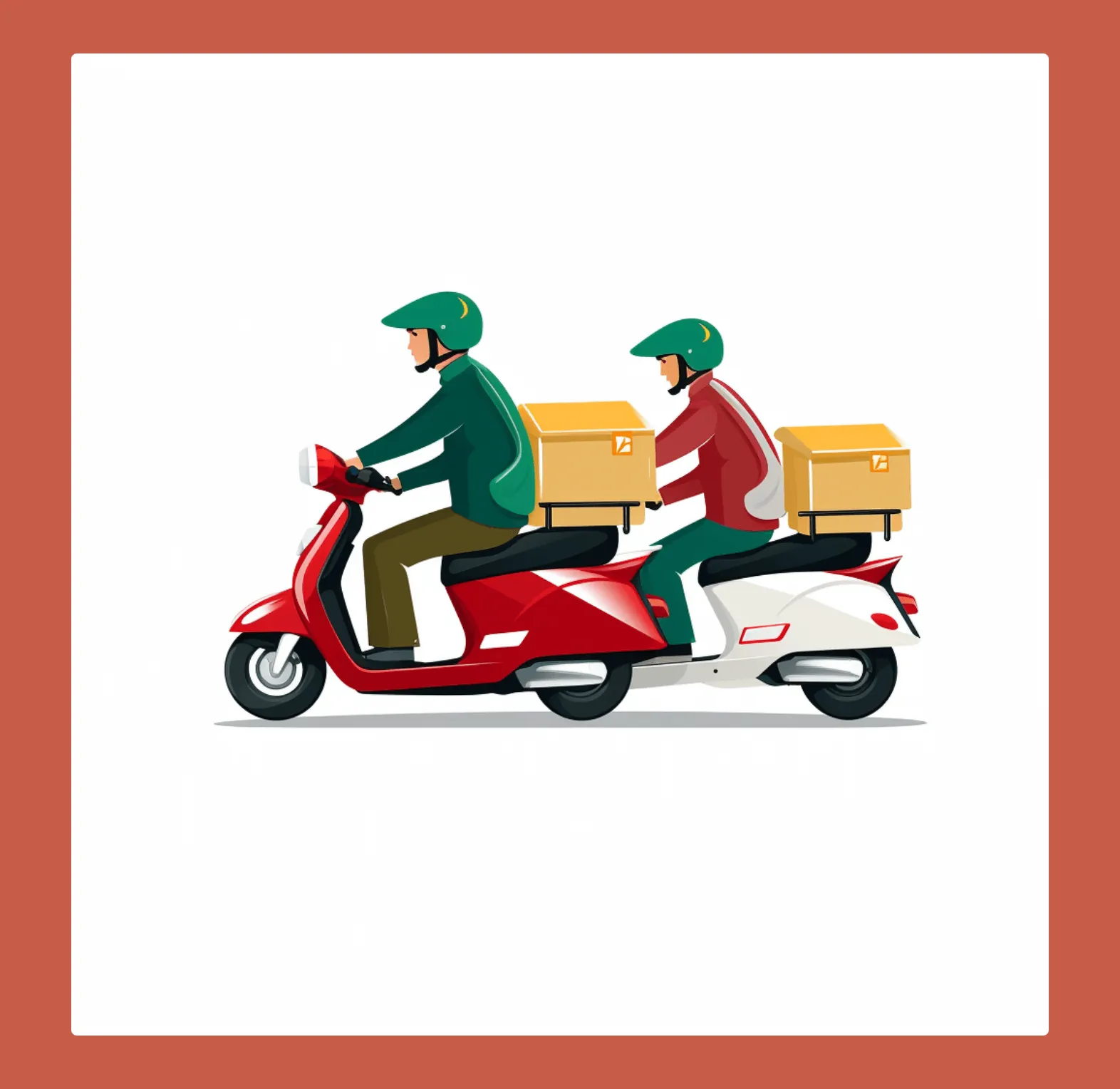
Strategy 1: Optimize and Equip Your Delivery Fleet
Your delivery service lives or dies by one metric: do drivers arrive on time with quality meals? Failing here means fewer repeat customers and declining delivery sales. Building a reliable fleet requires investment in both vehicles and people.
Start with your drivers. Every delivery driver must have a clean driving record—no exceptions. You'll also need proper insurance covering your drivers and fleet, since accidents happen regardless of how careful your team is.
Most restaurant delivery services either maintain their own fleet of delivery vehicles or provide drivers with gas rebates after each shift. Whichever system you use, keeping vehicles reliable is non-negotiable. Here's what to prioritize:
- Maintenance: Routine vehicle maintenance—oil changes, fluid checks, tire inspections—is essential. Skipping maintenance leads to breakdowns that strand drivers and ruin customer experiences. Schedule maintenance every six to eight weeks to stay ahead of problems.
Build relationships with local mechanics and negotiate discounts for regular service. If drivers use their own vehicles, subsidize their maintenance costs.
Pro Tip: Ask your mechanics if you can place a placard or sticker advertising your restaurant in their shop. This spreads awareness about your delivery services with minimal effort. Offer discounted delivery for their team in return.
- Mileage Tracking: Owning your fleet means you control when vehicles get fueled—before or after shifts, at your convenience. If drivers use personal vehicles, you'll need to reimburse them for gas or electricity used during deliveries. Track mileage carefully to manage costs and ensure fair compensation.
- Quality Standards: Fleet vehicles need to be reliable and new enough to last several years without constant repairs. Old cars break down at the worst times.
If drivers use their own vehicles, establish clear standards: maximum vehicle age, mileage limits, and appearance requirements. The cars representing your restaurant contribute directly to your brand image. You don't need luxury vehicles, but a fleet of rusted 1998 Honda Civics sends the wrong message about your food quality.
- Route Optimization: Google Maps works for basic navigation, but dedicated delivery apps optimize routes across multiple drivers and orders. Consider these options:
- Gophered: A free app that lets you manage multiple drivers and track their precise locations from one platform.
- Routific: Manage multiple routes and view all your drivers on a single screen from a central location.
- Circuit: Add and prioritize multiple destinations—especially useful during busy periods.
- Adalo: Build your own custom route optimization and driver-tracking app using Google Maps integration and geolocation features. Create exactly the system you envision.
Confirm that every driver knows how to use your chosen delivery app properly. Keep detailed records of miles traveled and gas consumption to manage costs and identify inefficiencies.
Analyzing delivery data reveals insights you can't get any other way: what causes slower deliveries, which areas to avoid during rush hour, and how each driver's average delivery time compares. Study these metrics to improve route planning and driver performance.
Identify which time periods have the lowest traffic, then encourage customers to order during these windows by running targeted discounts. You'll complete more deliveries per hour than during peak times, increasing overall delivery sales without adding drivers.
How to Maintain Food Quality During Delivery
Temperature fluctuation is the enemy of every delivery service. If your delivered food arrives at the same temperature as food served in your restaurant, you'll have a significant competitive advantage over third-party apps.
During peak hours, lightning-fast delivery becomes nearly impossible. You need systems that keep food stable regardless of delivery time. Follow these rules:
- Always Separate Foods by Temperature: Create a clear system so your delivery team knows which meals are hot and which are cold. Separating meals by temperature during transport is crucial for maintaining quality.
- Invest in Insulated Bags or Boxes: Proper insulation maintains the right temperature throughout delivery. Give each driver two insulated compartments—one for hot food, one for cold.
Insert heat packs and cold packs inside each compartment. Most quality delivery bags have pockets designed specifically for these temperature-control inserts.
- Secure Everything in Delivery Vehicles: Make sure bags and boxes containing food won't shift during the drive. Drivers should pack meals firmly so they stay in place.
Securing meals and delivery bags properly decreases the risk of delivering a sloppy, spilled product to customers.
Strategy 2: Optimize Your Online Menu For Delivery
Not every menu item travels well. To increase delivery sales, create a menu specifically designed for delivery—featuring foods that arrive in excellent condition.
Review your regular menu and identify which items are best suited for transport. Add those to your online delivery menu. Be honest about what works and what doesn't.
Foods That Don't Deliver Well
Some menu items should ideally be eaten immediately after preparation. While nothing stops you from offering these for delivery, think carefully before including:
- Deep-fried items like fish, onion rings, and french fries lose their crispiness after about 15 minutes, becoming limp and soggy.
- Steak continues cooking even after leaving the grill. A medium-rare steak will arrive closer to medium or medium-well, disappointing customers who ordered specifically for doneness.
- Nachos become a disaster unless you painstakingly package each component separately. Otherwise, sauces pool at the bottom, leaving soggy chips floating in murky liquid.
If you must keep these items on your delivery menu, add a gentle note informing customers these dishes are best enjoyed in your restaurant.
Strategy 3: Build Your Own Online Ordering App
One of the most effective ways to maximize delivery revenue is to create your own ordering app. This eliminates third-party fees, gives you direct customer relationships, and lets you control the entire experience.
Don't know how to code? That's no longer a barrier. Adalo, an AI-powered app builder, lets you build a complete ordering app without writing a single line of code.
No-code technology uses a drag-and-drop interface to design apps visually. Select your color scheme, app structure, and features, then watch your takeout app come together.
The platform offers extensive design freedom with an intuitive interface. You can fashion your app to match your exact brand identity and restaurant aesthetic.
Once you finish building, Adalo publishes your app to both the Apple App Store and Google Play Store from a single codebase—the hardest part of launching an app handled automatically. You can also publish to the web, reaching customers across every platform.
After customers place orders, they pay directly in your app. The platform integrates with popular payment processors like Stripe, Square, and PayPal. Your customers will appreciate completing orders directly with your restaurant—not through expensive third-party delivery systems that take 15-30% of every order.
Do More with Your Own App
With Adalo, you can design an app that goes far beyond taking orders and payments. Use the geolocation feature to create a fleet management app for your delivery team. Drivers download the app to their phones, and you see their locations in real-time.
The platform's agnostic builder publishes the same app to web, native iOS, and native Android—all without writing code or rebuilding for each platform. If you want mass distribution through app store marketplaces, this approach beats many alternatives that require separate builds for each platform.
Design your fleet management system exactly how you want it. Thousands of integrations let you connect analytics tools to determine optimal routing and track driver performance.
Show customers their order status in real-time—just like third-party delivery services. Plug the geolocation feature into your ordering app so customers see exactly where their food is. When orders get close, send push notifications so they're ready to receive their meal.
For professional communication, include a messaging feature in your app. Drivers can chat directly with customers when something comes up—like arriving 10 minutes early because they discovered a faster route using your geolocation feature.
Why Build Your Own vs. Using Third-Party Apps
Third-party delivery apps like DoorDash and Grubhub charge 15-30% commission on every order. On a $50 order, that's $7.50-$15 going to someone else. Building your own app eliminates these fees entirely.
You also gain direct customer relationships. When customers order through DoorDash, DoorDash owns that customer data. When they order through your app, you can send them promotions, track their preferences, and build loyalty directly.
Over 3 million apps have been created on Adalo, with users describing the visual builder as "easy as PowerPoint." The AI features Builder promises even faster creation through natural language prompts—describe what you want, and the system generates it.
Strategy 4: Supercharge Your Online Presence
Your delivery business exists online, so invest time in building a strong digital presence. Here are actions that bring your online presence to life:
- Publish a Blog: When you release new takeout items or invest in new delivery vehicles, write about it. Customers appreciate learning about new dishes you can deliver quickly.
They'll also feel better knowing their food arrived in a modern, well-maintained vehicle. Share your commitment to quality and speed.
- Post Consistently on Social Media: Share how many orders you deliver per night and highlight favorable delivery time metrics.
When customers see this data, they know you're dedicated to delivering quality food quickly. On slower days, post "lessons learned" describing where you can improve. Customers appreciate transparency about your commitment to getting better.
- Run Social Media Promotions: Give delivery customers discounts after they post pictures of their hot meals that arrived on time.
Run these discount periods for a few days every six weeks, and you'll likely see delivery spikes whenever promotions are active.
- Advertise Your Ordering App: Expand your reach by promoting your app on Facebook, Instagram, YouTube, or TikTok. Follow these steps:
- Set your target audience location to a radius your delivery fleet can reach.
- For careers and interests, enter job titles or employers of nearby businesses. If you're near a school, target "teacher." If Deloitte is nearby, target "works at Deloitte."
- Use beautiful screenshots of your delivery app in the ads, with direct links to your app store listing.
Running an ad campaign is relatively affordable. For about $500, you can reach several thousand people in your area. Run campaigns every few months to build consistent exposure, which should translate to more delivery orders over time.
Strategy 5: Make Offers Nearby Businesses Can't Refuse
Want to create customers who order regularly? Offer nearby businesses special lunch deals. Target companies with large employee counts and provide discounts for bulk orders.
Sending one driver to one location to drop off 25 sandwiches generates solid revenue with minimal delivery cost. The efficiency of bulk orders dramatically improves your margins compared to individual deliveries scattered across town.
Pro Tip: To encourage recurring orders from the same businesses, add a "healthy food section" to your menu. Include items like grilled salmon with vegetables, fresh salads, and lean protein options.
A healthy menu motivates people to order more frequently. Employees who want to eat well daily become loyal customers. Keep them interested by rotating your healthy options regularly—new items every few weeks prevent menu fatigue and give customers reasons to keep ordering.
Strategy 6: Leverage Technology for Competitive Advantage
The restaurants winning at delivery aren't just making great food—they're using technology to operate more efficiently than competitors. Here's how to build that advantage:
Real-Time Order Tracking
Customers expect to see where their food is. Third-party apps set this expectation, and now it's table stakes. Building your own app with geolocation means you can offer the same experience while keeping customers in your ecosystem.
When customers track orders in your app, they're engaging with your brand—not DoorDash's. This builds familiarity and loyalty that translates to repeat orders.
Push Notifications That Drive Orders
Push notifications are one of the most powerful tools for driving delivery sales. Use them strategically:
- Lunch reminders at 11 AM when people start thinking about food
- Dinner promotions during the afternoon slump
- Special offers during slow periods to smooth demand
- Order updates so customers know exactly when to expect their food
Apps built on Adalo include push notification capabilities, letting you reach customers directly without paying for advertising.
Data-Driven Menu Decisions
Your ordering app generates valuable data about customer preferences. Track which items sell best for delivery, which get reordered frequently, and which receive complaints.
Use this data to refine your delivery menu over time. Remove items that don't travel well or don't sell. Promote items that customers love and reorder consistently.
Next Steps
Once you start implementing these strategies, maintain momentum. Continue optimizing your menu by offering seasonal dishes every few months. This gives customers fresh options that match the weather and keeps your menu interesting.
Don't neglect vehicle maintenance—a breakdown during dinner rush can cost you dozens of orders and damage your reputation.
Done right, your own delivery system ensures delivered food quality approaches what you serve in-restaurant. High standards for temperature control and food handling give you a major competitive edge over third-party apps that can't control quality the way you can.
Make periodic updates to your ordering app. Customers notice when you refresh colors, fonts, or features while keeping the menu they love. Always have a limited-time promotion planned to drive urgency and repeat orders.
Keep executing consistently, and you'll build a delivery business that competes effectively against the big third-party platforms—while keeping more revenue for yourself.
Increase Your Deliveries with Adalo
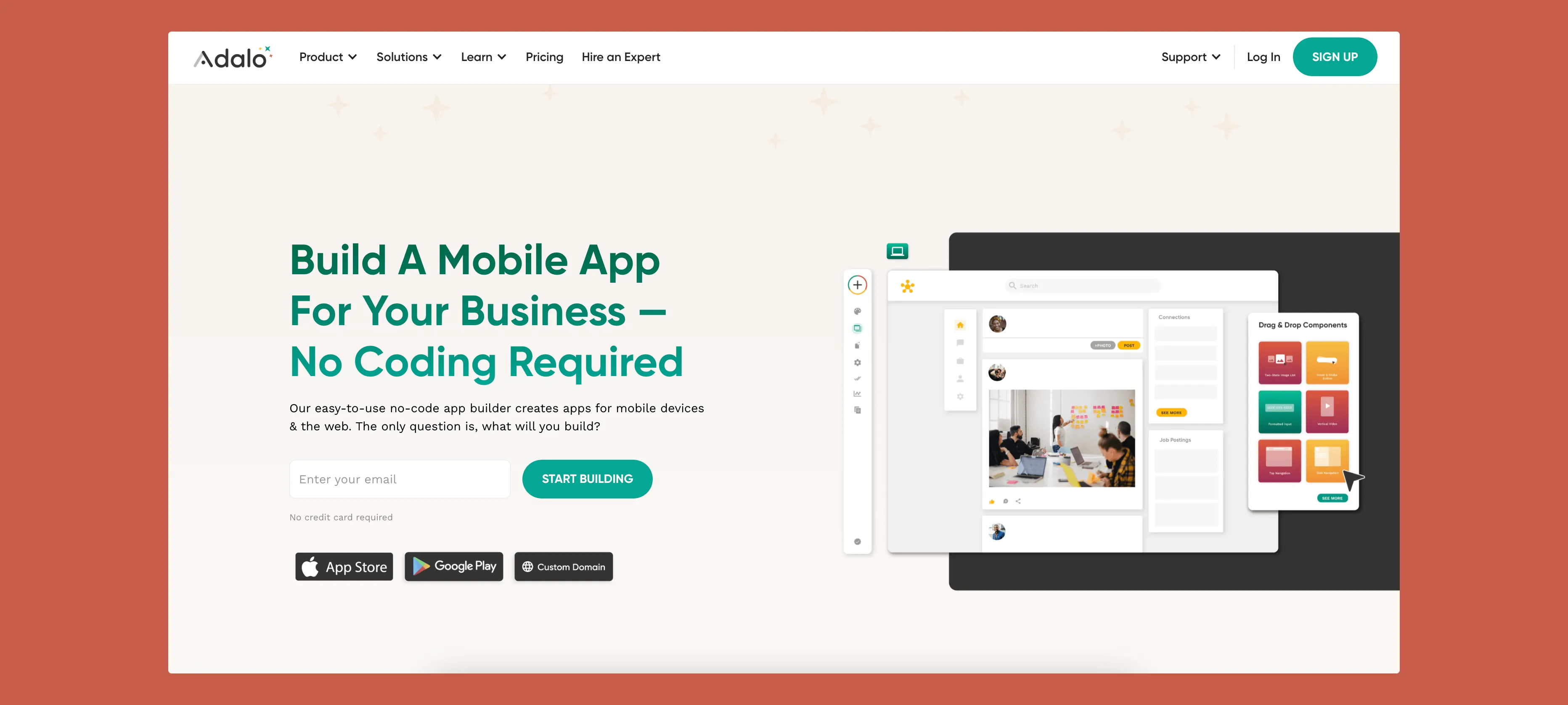
Ready to build your own online ordering app?
Adalo is a no-code app builder for database-driven web apps and native iOS and Android apps—one version across all three platforms, published to the Apple App Store and Google Play. The platform includes restaurant-themed templates ready to customize, plus features like push notifications and geolocation to supercharge your delivery operations.
With the Adalo 3.0 infrastructure overhaul, apps run 3-4x faster than before. Paid plans include unlimited database records with no usage-based charges—no surprise bills as your delivery business grows. The modular infrastructure scales to support apps with over 1 million monthly active users.
Over 3 million apps have been built on the platform, with users describing the visual builder as intuitive and straightforward. If hundreds of restaurant owners have already built successful ordering apps, you can too.
Start building your restaurant's delivery app for free.
FAQ
Why choose Adalo over other app building solutions?
Adalo is an AI-powered app builder that creates true native iOS and Android apps. Unlike web wrappers, it compiles to native code and publishes directly to both the Apple App Store and Google Play Store from a single codebase—the hardest part of launching an app handled automatically. Paid plans include unlimited database records with no usage-based charges.
What's the fastest way to build and publish an app to the App Store?
Adalo's drag-and-drop interface lets you build visually without coding. The platform handles the entire App Store submission process, publishing your app to both Apple App Store and Google Play Store from one build. Restaurant-themed templates help you get started quickly.
Can I easily build my own restaurant delivery and ordering app?
Yes, with Adalo you can build a complete restaurant delivery and ordering app without writing code. Using the drag-and-drop interface, create a custom ordering system with payment integration, geolocation tracking, and push notifications. The platform includes templates designed specifically for restaurants.
How much does it cost to build a restaurant ordering app?
Adalo's paid plans start at $36/month with unlimited usage and app store publishing. This includes unlimited database records and unlimited app updates once published. Compare this to third-party delivery apps that take 15-30% of every order—your own app pays for itself quickly.
What foods should I avoid including on my delivery menu?
Foods that lose quality quickly should be carefully considered. Deep-fried items like french fries become soggy after 15 minutes, steaks continue cooking during transport, and nachos become a mess. If you must include these items, add a note recommending customers enjoy them in your restaurant.
How can I ensure my delivered food maintains proper temperature?
Always separate foods by temperature and invest in insulated bags with separate compartments for hot and cold items. Insert heat and cold packs inside the bags, and secure all food containers in delivery vehicles to prevent spills and maintain quality during transport.
What apps can help optimize my delivery routes?
Several apps help manage delivery fleets: Gophered for tracking multiple drivers, Routific for managing routes centrally, and Circuit for prioritizing destinations. You can also use Adalo to build your own custom route optimization and driver-tracking app with Google Maps integration and geolocation features.
How can I increase delivery orders from local businesses?
Target nearby businesses with large employee counts and offer special bulk lunch deals. Adding a healthy food section encourages more frequent orders, as employees appreciate nutritious meal options. Rotate your healthy menu periodically to keep customers interested.
Do I need coding experience to build a delivery app?
No coding experience is required. Adalo's visual builder has been described as "easy as PowerPoint." You design your app by dragging and dropping components, selecting colors and layouts, and connecting features—all without writing code.
Can customers track their orders in real-time?
Yes, Adalo's geolocation feature lets you show customers exactly where their order is during delivery. You can also send push notifications when orders are close, so customers are ready to receive their food.