To be an Innovation Legend, do you have to be an A**hole?
When I got in line—4 hours before he was scheduled to speak—people were already wrapped around a couple sides of the Austin Convention Center. There was a clear feeling of excitement in the air. And let me tell you, this excitement wasn't for nothing; he delivered. It was an inspirational talk that covered everything from his biggest failure to his announcement that SpaceX is currently building "the first Mars interplanetary ship" and that they'll "be able to do short flights, sort of up-and-down flights, probably sometime in the first half of next year." (Mars here we come!!)
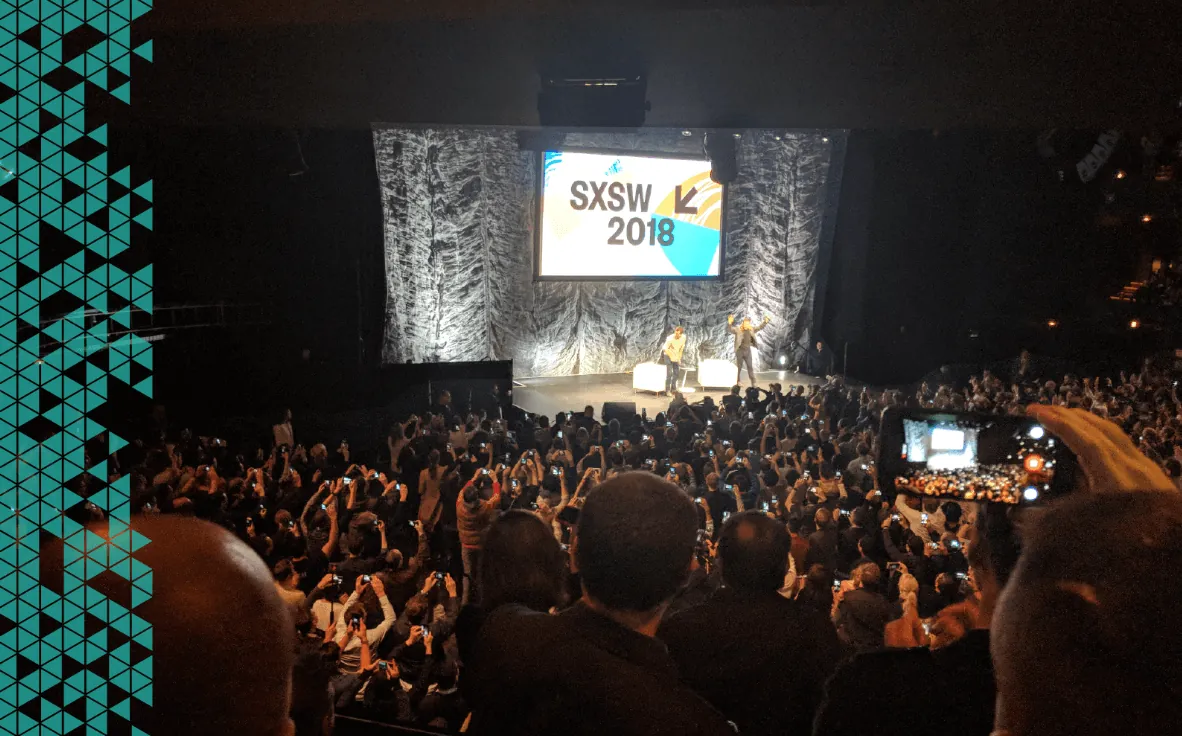
After the talk, one thing was clear—Elon Musk is having a moment. He is no longer just an entrepreneur with some successful companies. He's reached a Steve-Jobs-like status as one of America's great innovators.
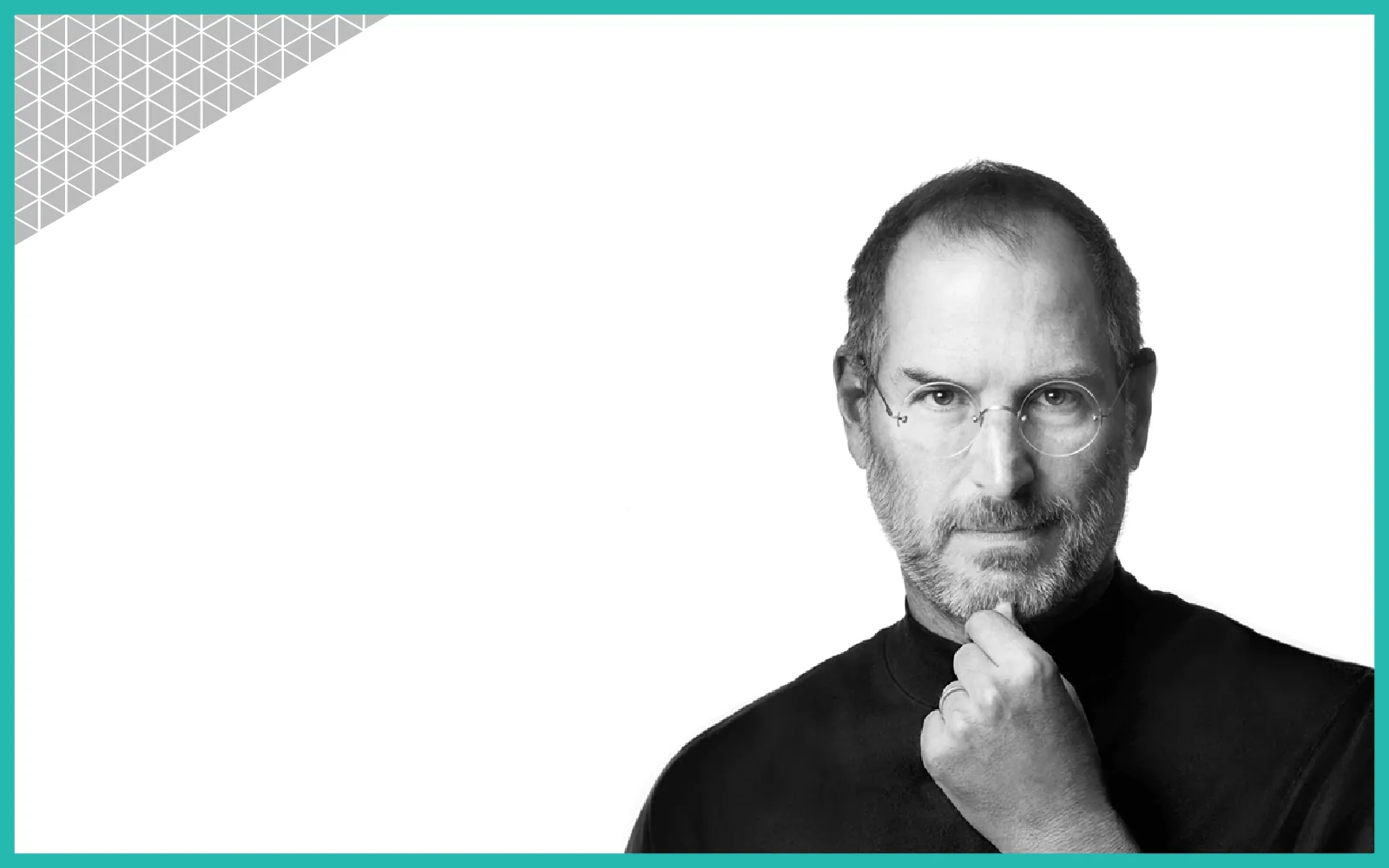
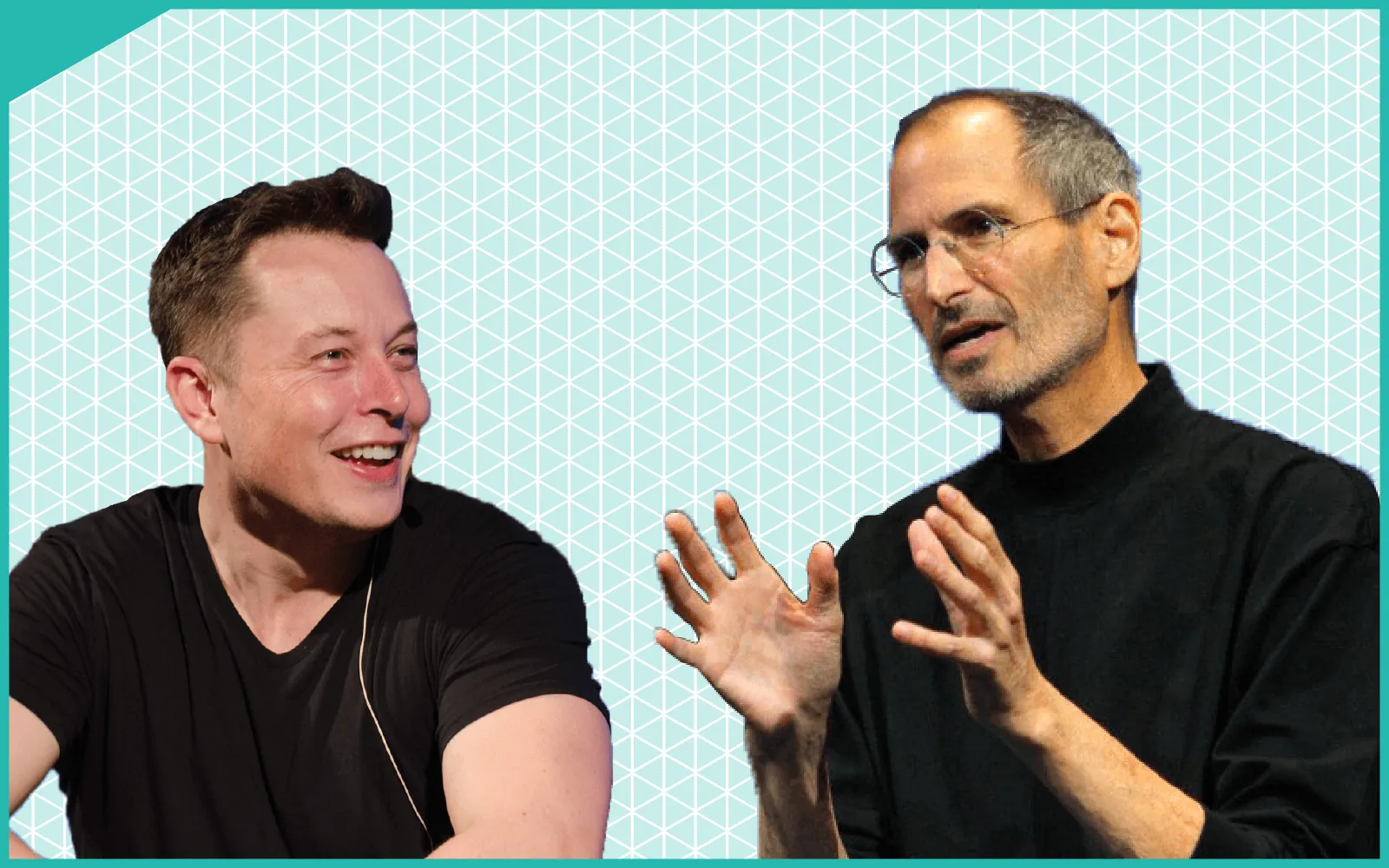
As soon as this thought crossed my mind, dots began to connect between Jobs and Musk. Having read both of their incredible biographies (Walter Isaacson's on Jobs and Ashlee Vance's on Musk), it's obvious to me that they've achieved far more than any of us mere mortals. They're the only people of our generation who have been able to significantly alter multiple industries (personal computers, music, and phones for Jobs; and space travel, earthly transportation, and sustainable energy for Musk).
And their biographies reveal that they've been able to achieve this because of their relentless pursuit of their powerful personal purposes. Jobs was always trying "to make tools for the mind that advance humankind." While Musk is currently trying to save our species by helping us create "a self-sustaining civilization on another planet."
The Dark Side of Innovation Legends
However, if you read my previous article detailing Elon Musk's life, you know there's a dark side to him; and this is where the dots that my mind was connecting between Musk and Jobs gets scary. While the companies that these two men founded have been widely successful, their employees haven't always had the nicest things to say about them. Just consider some of these quotes:
"If Elon was not happy, you knew it. Things could get nasty."
"He can be a downright liar about when things need to get done. He will pick the most aggressive time schedule imaginable assuming everything goes right, and then accelerate it by assuming that everyone can work harder."
While it might be easy to brush off these comments as just a couple of disgruntled employees, there are plenty of other examples that point to a larger pattern of both of these guys being, well, assholes. Which leads me to the ultimate question that I've been struggling with since Elon's talk.
Do You Have to Be an A**hole to Be as Innovative as Jobs and Musk?
I'm not going to lie; this hasn't been an easy question for me to grapple with. Even just thinking of them as jerks didn't really feel great to me (I don't want other people reading this to think I'm being a jerk). But it kept nagging at me. Both of the greatest innovators of our generation are equally as inspiring as they are kind of assholes to the people around them.
After giving my thoughts some time to percolate, I believe there are three reasons that ultimately lead me to answer this question optimistically.
1. Haters Gonna Hate
When you try to change the world in such a profound way, you're always going to have people that view what you're trying to do as bad simply because it's different. As an innovator, this different view of the world can sometimes get you a bad reputation. You're telling people that the current world isn't good enough.
For Jobs and Musk though, they ultimately had larger purposes that are both innately good, so I have to conclude that part of their asshole appearance was just because they were trying to change the world. Disruption inherently creates friction—and that friction often gets attributed to the disruptor's personality rather than the resistance of the status quo.
2. Everyone Loves Drama
Because we live in a reality TV world, drama sells. For both Jobs and Musk, this drama has made them more popular and thus has made their innovation status reach new heights. I certainly can't argue that if both Jobs and Musk were the nicest guys in the world that they wouldn't be viewed as great innovators.
But I do think that because they have a bit of an asshole side to them that the media loves to pay attention to them and this makes us talk about how great they are. I think people like Woz, Gates, Brin, and Page don't get as much love when it comes to innovation because they stay out of the limelight. The narrative of the difficult genius is compelling—but it's not the only path to building something meaningful.
3. There's No 'I' in Team
We've reached a point where the innovation challenges facing our society can't be accomplished alone. This means that anyone looking to become an Innovation Legend must have a great team and must be able to motivate them. Both Jobs and Musk clearly chose to lead with clenched fists and sheer force. But today, tools are emerging that change the equation entirely—Adalo is a no-code app builder for database-driven web apps and native iOS and Android apps—one version across all three platforms, published to the Apple App Store and Google Play. This democratization of building means you no longer need to demand the impossible from engineers to ship real products.
But I fundamentally disagree that a great leader can't also be genuinely nice. Just because both of them had more of a harsh way of treating their employees doesn't mean that we can't treat our team with respect in order to accomplish anything we set our minds to.
Innovation Is Being Democratized
Here's what excites me most about where we're headed: the barriers to building innovative technology are collapsing. You no longer need to be a technical genius—or work for one—to create something that reaches millions of people.
Ada, Adalo's AI builder, lets you describe what you want and generates your app. Magic Start creates complete app foundations from a description, while Magic Add adds features through natural language.
Tools like Adalo, an AI-powered app builder for native iOS and Android apps, are democratizing who can participate in building solutions. Over 3 million apps have been created on the platform, with users describing the visual builder as "as easy as PowerPoint." Magic Start generates complete app foundations from simple descriptions—tell it you need a booking app for a dog grooming business, and it creates your database structure, screens, and user flows automatically.
This matters because it means you don't need a Jobs-like reality distortion field or Musk-like intensity to ship something real. A single person with a clear vision can build and publish to both the Apple App Store and Google Play Store from one codebase. The hardest part of launching an app—the technical execution and store submission process—is handled for you.
The platform's modular infrastructure scales to serve apps with millions of monthly active users, with no upper ceiling. Unlike app wrappers that hit performance constraints under load, Adalo's purpose-built architecture maintains speed at scale. Paid plans include no data caps, meaning your app can grow without hitting artificial limits or unexpected charges.
Where This Leaves Me
So where does this leave me? It leads me to conclude that no, you don't have to be a jerk to become an innovation legend. Some of the drama around Jobs and Musk certainly helped elevate their status. And some of the hate they get is also unjustified simply because they want to change the world.
To be honest, though, it kind of stinks that both of their management styles have been so harsh that this question even has to be pondered. It doesn't feel great to be inspired by guys that don't always treat their teammates with respect.
Why I'm still inspired by both of them is because their overall purposes are focused on helping millions of people improve their lives. They feel at times in order to achieve this that they have to be jerks to a particular person at a particular moment in the innovation process. It's all for the greater good.
The Next Level of Innovation Legend
As I sit here finishing this article, I am even more inspired than when I first started. I believe there is still another level of legendary innovator status yet to be reached. If we can have an inspirational purpose at the same level of both Jobs and Musk but also have a different management style full of love and compassion, then I think our teams can achieve even greater things.
The tools now exist to test this hypothesis. You can build professional, scalable applications without writing code. You can reach users on every platform from a single build. You can iterate quickly based on feedback rather than burning out your team with impossible deadlines.
The question isn't whether you can build something innovative without being an asshole. The question is: what will you build?
I can't wait to see the day that someone can attain that level. To infinity and beyond!
FAQ
Why choose Adalo over other app building solutions?
Adalo is an AI-powered app builder that creates true native iOS and Android apps. Unlike web wrappers, it compiles to native code and publishes directly to both the Apple App Store and Google Play Store from a single codebase—the hardest part of launching an app handled automatically. With over 3 million apps created on the platform, it's proven at scale.
What's the fastest way to build and publish an app to the App Store?
Adalo's drag-and-drop interface and AI-assisted building let you go from idea to published app in days rather than months. Magic Start generates complete app foundations from simple descriptions, and the platform handles the complex App Store submission process so you can focus on your app's features and user experience.
Do I need to be like Elon Musk or Steve Jobs to create innovative technology?
No, you don't need to be a legendary innovator—or adopt their harsh management styles—to create impactful technology. Tools like Adalo are democratizing who can participate in building solutions, allowing anyone with a great idea to develop professional apps without technical expertise or a team of engineers.
Can a small team compete with large companies when building innovative apps?
Absolutely. Today's innovation challenges require collaboration rather than solo genius, but they don't require massive budgets. With Adalo's AI-assisted platform starting at $36/month with unlimited usage, small teams can build and launch sophisticated native apps quickly, leveling the playing field against larger competitors.
What drives successful innovators like Musk and Jobs according to the article?
According to the article, both Musk and Jobs achieved extraordinary success through their relentless pursuit of powerful personal purposes. Jobs aimed to "make tools for the mind that advance humankind," while Musk is focused on creating "a self-sustaining civilization on another planet." Having a clear, meaningful purpose guides innovation.
Can I build apps that help solve big problems without harsh leadership tactics?
Yes, the article concludes that you don't have to be harsh to achieve innovation success. By combining an inspirational purpose with a management style full of love and compassion, teams can potentially achieve even greater things. Modern tools enable collaborative app building where teams can work together effectively without toxic dynamics.
How much does it cost to build an app with Adalo?
Adalo's paid plans start at $36/month with unlimited usage and no record limits on the database. This includes publishing to both the Apple App Store and Google Play Store with unlimited updates. Compare this to alternatives like Bubble starting at $59/month with usage-based charges and record limits, or Flutterflow at $70/month per user without an included database.
Do I need coding experience to build a professional app?
No coding experience is required. Adalo's visual builder has been described as "as easy as PowerPoint," and features like Magic Start generate complete app foundations from plain English descriptions. You can build database-driven native apps for iOS and Android without writing a single line of code.