Working As A No-Code Expert: An Interview With Connor Cedro
To get a better idea of how you can work with an Adalo Expert—Adalo is a no-code app builder for database-driven web apps and native iOS and Android apps—one version across all three platforms, published to the Apple App Store and Google Play—here's an interview with Connor Cedro.
Hi, my name is Connor Sedro. I operate a business called Ordec Tech. We specialize in mobile app development, particularly on Adalo. I love working in the business setting. I love going to offices and working with their customers and their employees.
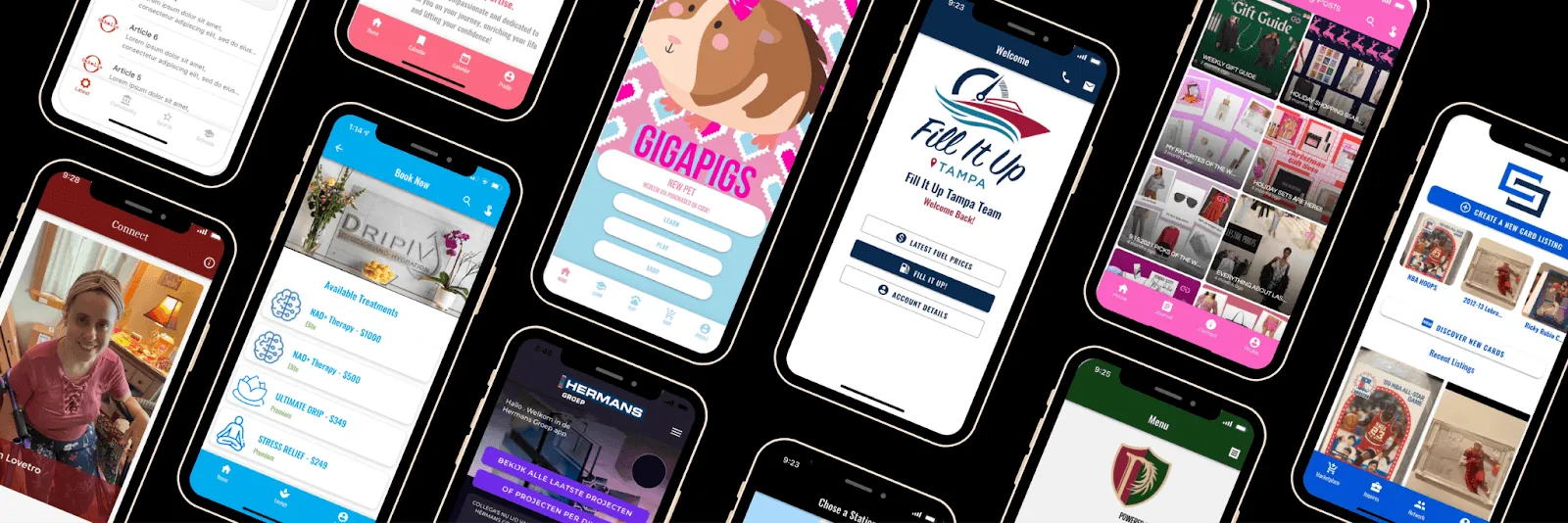
How I Discovered Adalo
I wouldn't say that I'm the most technical, but I've always gravitated towards entrepreneurship. So my original thought process was to build an app-based business and find a developer. The process was quite intense with the crazy quotes from developers—they were in the range of tens of thousands of dollars, and the process was taking really long. It was very tough to even find someone to talk to.
But I really believed in the idea that I was working on. Since I couldn't find help, the only option for me was to dive into no-code. I didn't know much about it either, but I was passionate about building this. From then on, it was just trial and error, along with the consistent belief that this was going to work.
I spent a few months working on Adalo's free plan, I'd work on it for a couple of hours everyday, and got pretty excited to show people my project. That was the start of my journey into freelancing. I didn't plan on no-code, I didn't plan on freelancing—but the platform's visual builder, described by many as "as easy as PowerPoint," made it possible for someone without a technical background to build real, functional apps.

Adalo Sets You Up for Success as a Freelancer
Having said that, I absolutely think you can build a career on Adalo. When I began, I planned on building just one app, but the way things turned out, I was able to use that skill set to build multiple apps, so I know that it's a hundred percent possible to build a business on Adalo. With over 3 million apps created on the platform, there's clearly a thriving ecosystem of builders and clients.
Ada, Adalo's AI builder, lets you describe what you want and generates your app. Magic Start creates complete app foundations from a description, while Magic Add adds features through natural language.
Here's why Adalo is set up brilliantly for people looking to begin working as a freelancer: first, it's the templates. That saves you a ton of time, and you're able to deliver GREAT work efficiently. Features like Magic Start take this even further—describe what you need, and it generates complete app foundations including database structure, screens, and user flows automatically.
The expert network is incredible as well, not only to help with your projects, but if you ever get stuck working on projects, I've got a couple of fellow experts that I can reach out to. Magic Add also helps when you need to expand functionality—just describe the feature you want in natural language, and it builds it for you.
Next, it's the branding. You can easily update an app with new fonts, branding colors, and logos. And finally, something that needs to be talked about more, is the legitimacy of AI-assisted app building. People think it's just for MVPs, or that if you need to build a business, you'll need to write custom code. But I've had a couple of clients that have used Adalo apps to make money.
The platform's modular infrastructure now scales to serve apps with millions of monthly active users, with no upper ceiling. This isn't theoretical—Adalo's purpose-built architecture maintains performance at scale, unlike app wrappers that hit speed constraints under load.
Staying organized across multiple projects can get a little challenging, but a couple of tips helped me out a lot! First of all: LISTS! I have many lists that I keep track of every single day. Many people use software for this, but I like writing stuff down because it helps me remember it.
In terms of planning work, I try to block out days. For example; I set a 'real-estate day', or an 'eCommerce day'. I try to multitask as little as possible because it can get draining and confusing.

How I Approach Pricing as an App Development Expert
I think that the best way to price your work, for me at least, is based on a feature by feature basis. So the first step is that you have to have a good project scope. You have to know what you're developing for your client and the client has to know what you're developing for them.
So first off, nailing the scope is number one. That way, you can price your work based on the project and features, and how long the features will take to build. Once you set a range, you can estimate how long it will take you to complete each feature, and then decide how much to charge.
It's a bit tricky after a point with this because as you get better, you also become more efficient. One advantage of working with Adalo is the predictable pricing structure—paid plans start at $36/month with unlimited usage and no record caps. This means you can quote clients confidently without worrying about surprise charges eating into your margins. Compare this to platforms like Bubble, where usage-based Workload Units can create unpredictable costs that are difficult to estimate upfront.

My Advice to Aspiring App Development Experts
My advice to anyone that's interested in being a freelancer on Adalo might sound a little cliche, but the root of it is passion. It's a huge deal because being in any business is difficult, in fact, building a successful app is difficult too, so you need to love what you do.
For example, when you don't get it right on the first try, you need to be willing to see it through and keep putting in time and effort. That's the only way to get better. Building great apps takes a lot of time and discipline. Tools like X-Ray help identify performance issues before they affect users, which means fewer late-night debugging sessions and happier clients.
And finally, integrity is critical. It sounds simple, but basically, doing what you say you'll do and committing to it. When you tell a client that you will deliver a feature within a certain time frame, it means sticking to it. The platform's reliability helps here—Adalo 3.0's infrastructure overhaul in late 2025 made apps 3-4x faster, so you're not fighting performance issues while trying to meet deadlines.
My Process for Getting Leads
If you try to purchase leads through Google search ads, it's much harder and way more expensive. Plus you're competing with everybody everywhere. Because of Adalo's platform and network and the way the whole thing is set up, it's much, much easier to prove that you can create value for people.
I've focused on turning Adalo into my niche. I run a full-service app development business for clients on Adalo. I stick with one platform rather than exploring everything else. That's how I've gotten better and better at it. Once you pick a platform, stay focused on that platform and become an expert at it. You don't want to be everything for everybody.
When you have a niche, it'll ensure that you add value to that market. The ability to publish one build to web, iOS App Store, and Android Play Store simultaneously is a genuine differentiator when talking to clients—most competitors either don't offer native mobile publishing or charge significantly more for it.
FAQ
Why choose Adalo over other app building solutions?
Adalo is an AI-powered app builder that creates true native iOS and Android apps alongside web apps—one version across all three platforms. Unlike web wrappers, it compiles to native code and publishes directly to both the Apple App Store and Google Play Store from a single codebase. Paid plans start at $36/month with unlimited usage and no database record caps.
What's the fastest way to build and publish an app to the App Store?
Adalo's drag-and-drop interface, combined with AI-assisted building features like Magic Start and Magic Add, lets you create functional apps quickly. The platform handles the App Store submission process directly, eliminating the technical complexity that typically delays launches.
Can I easily build a freelance business using app development on Adalo?
Yes, with Adalo's AI-powered app builder, you can build a successful freelance business creating apps for clients. The platform provides templates that save development time, an expert network for support, and simple branding customization tools that help you deliver professional work efficiently.
How should I price my app development services?
The best approach is to price on a feature-by-feature basis after establishing a clear project scope. First, ensure both you and your client understand exactly what's being developed, then estimate how long each feature will take to build and set your rates accordingly. Adalo's predictable pricing with no usage charges makes quoting clients more straightforward.
What skills do I need to become a successful Adalo expert?
Beyond technical proficiency with the platform, you need passion for the work, discipline to keep improving when things don't work on the first try, and integrity to deliver what you promise within agreed timeframes. Staying organized with lists and blocking out dedicated days for different projects also helps manage multiple clients effectively.
How can I find clients as an Adalo freelancer?
Rather than competing through expensive Google ads, leverage Adalo's platform and expert network to prove your value. Focus on making Adalo your niche rather than trying to master every app building tool—becoming an expert on one platform helps you add genuine value to your market.
Is Adalo only useful for MVPs or can it support real businesses?
Adalo's modular infrastructure scales to serve apps with millions of monthly active users, with no upper ceiling. Many clients have successfully used Adalo apps to generate revenue, and the platform's 3.0 infrastructure overhaul made apps 3-4x faster for production-ready performance.
How does Adalo compare to Bubble for freelance work?
Adalo starts at $36/month with unlimited usage and no record limits, while Bubble starts at $59/month with usage-based Workload Units that can create unpredictable costs. Adalo also publishes true native mobile apps, whereas Bubble's mobile solution is a web wrapper—making Adalo easier to quote and deliver for mobile-focused client projects.