The Biggest Factor in Brand Loyalty You're Overlooking
Personalities are essential to how we relate to others. To help illustrate this point, let's look at a couple of stories that are similar in both structure and plot: Hamlet and The Lion King. Both stories are about a prince whose father, the king, is murdered by their uncle to take the crown. Each prince's goal is to avenge his father's death. (Along the way, they're even both visited by their father's ghost.)
Despite these similarities, these stories could not feel more different. And that's mostly because the protagonists, Simba and Hamlet, have very different personalities. Simba begins his story naive and full of pride, becomes carefree, and then, in the end, calm and confident. Hamlet's personality is much darker. He is mad, brooding, cunning, and philosophical, and these qualities only deepen as the story continues.
These contrasting personalities ultimately progress the stories in different directions. Simba's story ends with him saving his kingdom by claiming his rightful place on the throne, while Hamlet's ends with nearly everyone, including himself, meeting an untimely end. Yikes.
In the context of movies and plays, it's obvious how important personality is to the story, yet most people don't give much thought to their organization's personality. Simon Sinek, author of Start with Why argues, "Customers will never love a company until the employees love it first." Loving your organization first and foremost requires connecting with the purpose and then it involves embracing its unique personality.
Prominent Personalities
Let's take a look at four organizations that have mastered the art of creating a personality. Like Simba, each of these organizations follows a similar plot as others in their market, essentially serving the same needs for their customers. But the way they act, the way they express their personality couldn't be any more different. The result? Some of the most beloved brands in the world.
Starbucks

Starbucks has a personality that matches their purpose to inspire and nurture the human spirit. They are friendly, clean, modern, and personal, making every visitor feel welcome. Also key to their personality is consistency. Every location invokes the same feelings while still being true to the feel of its neighborhood.
To pull this off, Starbucks invests heavily in training. In fact, they spend more on training than they do on advertising. Their "Green Apron Book" reminds every employee of their five main values: make it your own, everything matters, surprise and delight, embrace resistance, and leave your mark. They even made up their own employee board game to learn how to make their customers feel included when serving them coffee.
Starbucks even closed 8,000 locations for an afternoon of racial bias education. This training translates into a lot of small personal details that make you feel like Starbucks is a place where you belong. The baristas write our names on our cup of coffee, they get to know us, and they let us stay as long as we want.
Southwest Airlines

With the purpose of connecting people to things that are important to them, Southwest decided that this connection should be fun. This decision has led to Southwest's distinct personality. They attempt to inject fun into every part of the process and encourage every employee to have their own fun, individual take on the travel experience. It's not uncommon for their pilots and flight attendants to joke around, and even sing, throughout the take-off process.
There's no doubt that this is one of the main reasons why, in an industry known for its financial struggles, they have had 40 consecutive years of profitability (and counting). To keep this streak going, Southwest very intentionally promotes this personality internally through four distinct storytelling techniques.
Every week, their CEO, Gary Kelly, takes the time to give public shout-outs to members that have gone above and beyond with their customer service. Secondly, their monthly magazine, the Southwest Spirit, features an article highlighting a team member and their incredible customer service. Thirdly, they have a variety of award programs. And finally, they make beautiful videos chronicling stories of real people flying on Southwest.
Apple
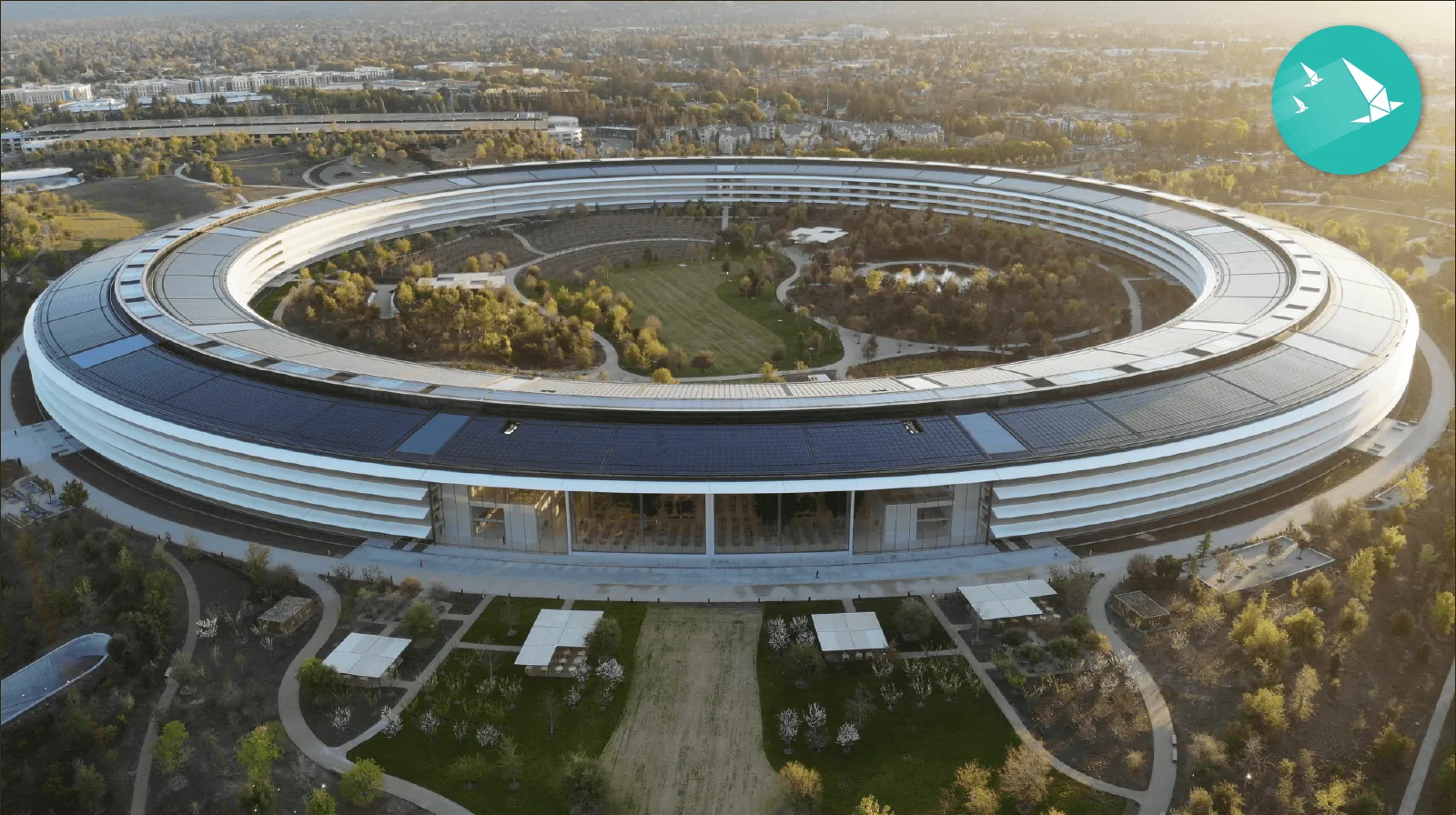
Apple's personality formed as a natural extension of their purpose to make technology personal. In order to do that, they needed to transform products that had previously only been accessible to university labs and large corporations into something every consumer wanted, so they made computers (along with their personality) cool and stylish.
This focus on design became synonymous with Apple and dominated their personality. They are obsessed with making sure that every little detail is designed with these personality traits. Steve Jobs famously wanted to make sure that even the inside of the computer was beautifully designed. He even extended this philosophy to the packaging itself, the stores that they are placed in, and the events that they are launched at.
This obsession with creating the most beautifully designed products, however, led to one more personality trait: secrecy. Apple's focus on creating a 'wow' moment with every product launch led to a personality of secrecy and control.
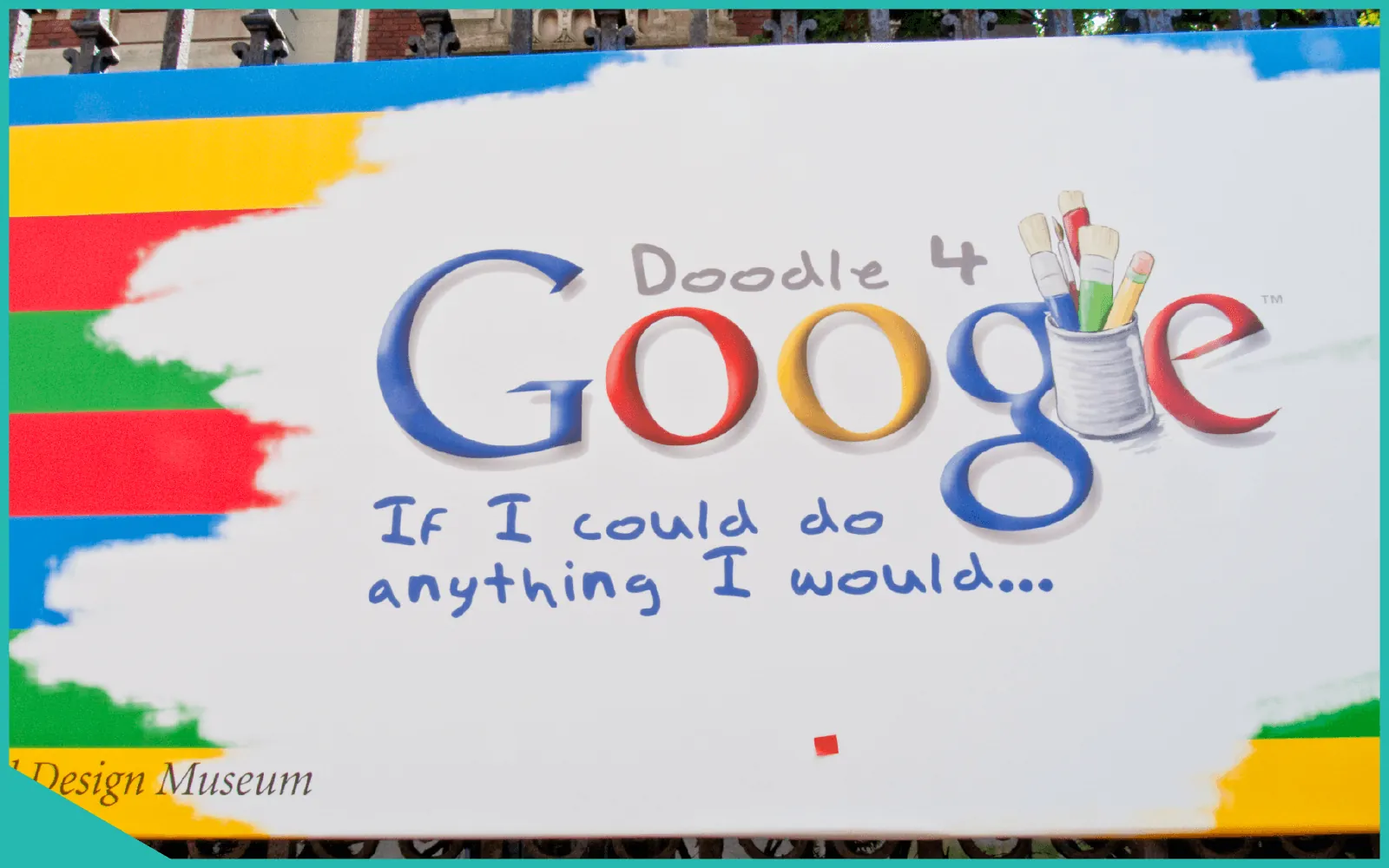
Google has embraced the idea of encouraging everyone at Google to think of themselves as founders. This mentality resulted in two personality traits—independence and individualism. We see these traits both in their team and in their designs. Google has even created its own word to describe these traits: "googleyness."
Googleyness is about challenging the status quo and being unique. It's about having your own amazing qualities and showcasing them. It's about embracing what makes you you in order to create amazing designs.
Take Google Doodles. Most days Google's homepage transforms their normal Google logo into a unique illustration, animation, or interactive game pertaining to whatever is important about today's date in history. This fun transformation of their logo reflects their Googleyness, but also advances Google's purpose by highlighting information about today that everyone should be aware of.
The Power of Contrasting Personalities
Like the stories of The Lion King and Hamlet, both Google and Apple appear very similar on the surface, but what makes these stories different is their different purposes and personalities. Apple's personality of secrecy and control couldn't be further from Google's personality of transparency.
They strive to embrace this trait in everything they do—from their open offices designed for interactions, to their Friday meetings where anyone at Google can ask the founders anything, to their decision to let other organizations use their Android software for free.
And the impact of these outsized personalities? Starbucks is the largest coffee shop chain with more than 27,000 locations. Southwest has been the most consistently profitable airline in history. And Apple and Google are the most valuable companies in the world.
Defining Your Organization's Personality
So how do you create a winning personality for your brand? Because your personality is what makes you unique, no one can tell you what your personality traits should be. However, it's safe to say that your personality needs to directly support your purpose. If your personality conflicts with your purpose, you're going to have a much more difficult time being innovative.
Organizations can be tempted to create multiple personalities, one internal and one external. This, however, can be extremely dangerous. Humans have evolved to spot differences in patterns. Different internal and external personalities cause customers to question your authenticity.
One of the biggest challenges modern organizations face is maintaining consistent brand personality across multiple touchpoints—web, mobile, social media, and in-person experiences. When your iOS app feels different from your Android app, or your mobile experience doesn't match your web presence, customers notice the inconsistency. This is where choosing the right tools matters. Adalo is a no-code app builder for database-driven web apps and native iOS and Android apps—one version across all three platforms, published to the Apple App Store and Google Play. Rather than managing three separate codebases with potentially divergent personalities, teams can maintain a single source of truth for their brand experience.
Maintaining Personality Consistency Across Platforms
One of the biggest challenges modern organizations face is maintaining consistent brand personality across multiple touchpoints—web, mobile, social media, and in-person experiences. When your iOS app feels different from your Android app, or your mobile experience doesn't match your web presence, customers notice the inconsistency.
This is where choosing the right tools matters. Adalo, an AI-powered app builder, addresses this challenge by enabling teams to build one version of their app that deploys to web, iOS, and Android simultaneously. Rather than managing three separate codebases with potentially divergent personalities, you maintain a single source of truth for your brand experience.
Ada, Adalo's AI builder, lets you describe what you want and generates your app. Magic Start creates complete app foundations from a description, while Magic Add adds features through natural language.
With over 3 million apps created on the platform, Adalo's visual builder has been described as "easy as PowerPoint"—meaning your team can focus on expressing your brand's personality rather than wrestling with technical complexity. Magic Start generates complete app foundations from simple descriptions, so you can articulate your brand vision in plain language and see it come to life.
Six Steps to Define Your Organization's Personality
Rather than just define brand guidelines and call it a day, follow these six steps adapted from Aarron Walter's Designing with Emotion to comprehensively define your organization's personality.
Step 1: Identify Your Core Traits
Have everyone describe your organization. Consolidate all of those descriptions. Pick the top 5 traits that you want to emphasize. Make sure these are really connected to your unique purpose.
Step 2: Create Your Personality Image
Find a bunch of images that visually represent each of your traits. Then narrow it down. Finally, from scratch, create your own image, inspired by the examples you chose, to illustrate your organization's personality.
Step 3: Develop Your Visual Lexicon
Create rules for all of your aesthetics, from colors to imagery to recurring visual themes. Most brand guidelines today would focus on this step. Again, brand guidelines are good, they just don't go far enough.
Step 4: Define Your Voice
Describe the way you talk. Actually give examples here—ways that your designs talk as well as ways that your members talk. The point is to make sure that your designs have a language that is consistent from design to design as well as consistent with the language of the members of your organization.
For example, if you are trying to have a professional voice but your members are mostly laid back, then it's not going to come off authentically to your customers.
Step 5: Establish Your Rituals
These are the regular activities you engage in around the office, your practices and inside jokes, the types of interactions you choose to have with your customers.
Step 6: Communicate and Reinforce
Once you've defined the five aspects of your organization's personality, you need to continually communicate them to the members of your organization. Find examples of work being done that exhibits some part of your organization's personality and congratulate your teammates on doing a good job. On the flip side, when you see work that isn't reflective of your organization's personality, share that feedback with your team so they can make it better.
Bringing Your Personality to Digital Products
Your brand personality shouldn't stop at your marketing materials—it needs to permeate every digital touchpoint, especially your apps. When building mobile and web applications, every screen, interaction, and notification is an opportunity to reinforce who you are.
Consider how Starbucks extends their welcoming personality into their mobile app. The app remembers your favorite orders, celebrates your rewards milestones, and uses warm, friendly language throughout. This isn't accidental—it's intentional personality design.
For teams building their own apps, tools like Adalo's Magic Add feature let you describe new features in natural language, making it easier to maintain personality consistency as your app evolves. Instead of getting lost in technical implementation details, you can focus on questions like: "Does this feature feel like us? Does it reinforce our brand traits?"
The platform's X-Ray feature also helps ensure your personality comes through clearly by identifying performance issues before they affect users. Nothing undermines a carefully crafted brand personality faster than a slow, buggy app experience.
Scaling Personality Without Losing Authenticity
As organizations grow, maintaining consistent personality becomes increasingly difficult. What worked when you had 10 employees doesn't automatically scale to 1,000. This is why companies like Southwest invest so heavily in storytelling and recognition programs—they're systematically reinforcing personality at scale.
The same principle applies to your digital products. As your user base grows, your infrastructure needs to support that growth without compromising the experience that defines your brand. Adalo's modular infrastructure scales to serve apps with over 1 million monthly active users, with no upper ceiling—meaning your brand personality can reach more people without technical constraints forcing compromises.
With unlimited database records on paid plans and no usage-based charges, you won't face the difficult choice between scaling your reach and maintaining the personalized experiences that define your brand. Your app can remember every customer's preferences, track every interaction, and deliver personalized experiences at any scale.
Personality as Competitive Advantage
Is your organization a Simba or a Hamlet? (Buzzfeed, feel free to turn that into your next viral personality quiz.) The truth is, it's probably not much of anything right now. Most organizations don't actively try to define their personality.
But stories with boring characters are boring stories. Personality is essential if you want to create a compelling organization and experiences people love. The brands we've examined—Starbucks, Southwest, Apple, Google—didn't become industry leaders by being generic. They became leaders by being unmistakably themselves.
Your personality should inform every decision, from how you train employees to how you design your app's onboarding flow. When personality is consistent across every touchpoint, customers don't just use your product—they connect with your brand on an emotional level. And that connection is what transforms customers into advocates.
FAQ
Why choose Adalo over other app building solutions?
Adalo is an AI-powered app builder that creates true native iOS and Android apps from a single codebase. Unlike web wrappers, it compiles to native code and publishes directly to both the Apple App Store and Google Play Store—handling the hardest part of launching an app automatically. With unlimited database records on paid plans and no usage-based charges, you can scale without unexpected costs.
What's the fastest way to build and publish an app to the App Store?
Adalo's drag-and-drop interface and AI-assisted building let you go from idea to published app in days rather than months. Magic Start generates complete app foundations from simple descriptions, and the platform handles the complex App Store submission process so you can focus on your app's features and brand personality.
Can I easily build an app that reflects my brand's unique personality?
Yes. Adalo's customizable design components allow you to maintain consistent visual elements, voice, and user experience across your entire app. Because one build deploys to web, iOS, and Android, your brand personality stays unified wherever customers encounter you.
Why is having a consistent brand personality important for my app?
A consistent brand personality builds trust and authenticity with your customers. Humans naturally spot differences in patterns—if your app feels different from your other brand touchpoints, customers question your authenticity. Your app should reinforce the same personality traits as your organization.
How can I ensure my app maintains the same brand experience across web and mobile platforms?
Building with a cross-platform solution like Adalo ensures your brand personality stays unified. By creating one version that works across web, iOS, and Android, you eliminate inconsistencies that can make your brand feel inauthentic.
What makes brands like Starbucks, Southwest, Apple, and Google so successful?
These organizations have mastered creating distinct personalities that directly support their purpose. From Starbucks' welcoming atmosphere to Southwest's fun approach to travel, each brand injects their personality into every customer interaction—resulting in some of the most beloved and valuable companies in the world.
How do I define my organization's personality for my app?
Start by having everyone describe your organization, then consolidate and pick the top 5 traits connected to your unique purpose. From there, develop your personality image, visual lexicon, voice, and rituals. These elements should guide every design decision in your app.
How much does it cost to build an app that reflects my brand personality?
Adalo's paid plans start at $36/month with unlimited usage and app store publishing. Unlike competitors that charge based on database records or usage, Adalo's pricing is predictable—no bill shock as your app grows and serves more customers.
Can my branded app scale as my business grows?
Yes. Adalo's modular infrastructure scales to serve apps with over 1 million monthly active users, with no upper ceiling. With unlimited database records and no usage-based charges, your app can deliver personalized brand experiences at any scale without technical constraints.